Our Peanut Butter Scare: A Lesson in Delayed Allergic Reactions
We’ve been proactive about introducing different foods to our 7-month-old. Research suggests that early exposure can reduce the risk of developing allergies later in life, so we were eager to cross peanuts off the list.
The First Attempt
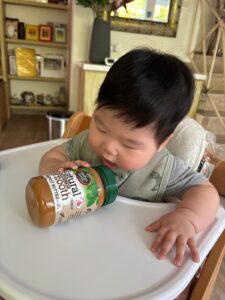
The first time we introduced peanut butter, we started small: just a tiny amount on the tip of a teaspoon mixed with rice cereal. He wasn’t a huge fan of the taste, but he tolerated it well. No rashes, no swelling, no immediate reaction. We felt a sense of relief—one major allergen down, right?
The Second Occasion: Everything Changed
A few days later, we tried again. At 9:00 AM, we mixed 1 whole teaspoon of peanut butter with rice cereal and pear puree. He seemed fine and went down for his usual nap at 10:30 AM. Thinking everything was normal, we stepped out to run errands, leaving him with our helper.
Then, the phone calls started:
- 11:45 AM: Our helper called to say he had started vomiting. We were shocked; he occasionally spit up milk, but he never vomited and this was the first time that he vomited. We rushed home immediately.
- 11:48 AM – 12:10 PM: On the way home, we received two more messages from our helper. He vomited again, and then again. The frequency was increasing, and we were getting deeply worried.
- 12:12 PM: We walked through the door to find him pale as a sheet.
- 12:23 PM – 12:35 PM: The vomiting continued. He finally drifted off into a restless sleep at 12:45 PM.

The Dilemma: A&E or Wait?
At this point, we were panicking. Our regular clinic was closed until 2:00 PM. The only other option was the A&E (Accident & Emergency). However, because he had finally fallen asleep, we decided to keep him under close observation rather than wake him to rush to the hospital—especially since we already had an allergy specialist appointment booked for the very next day.
A Long Night
He woke up at 3:30 PM appearing much better, but the ordeal wasn’t over. At 7:30 PM, right before bedtime, he vomited one last time. We spent the entire night on edge, watching him closely. Since he’s a tummy sleeper and was in such a weakened state, we couldn’t stop worrying about his breathing and hydration.
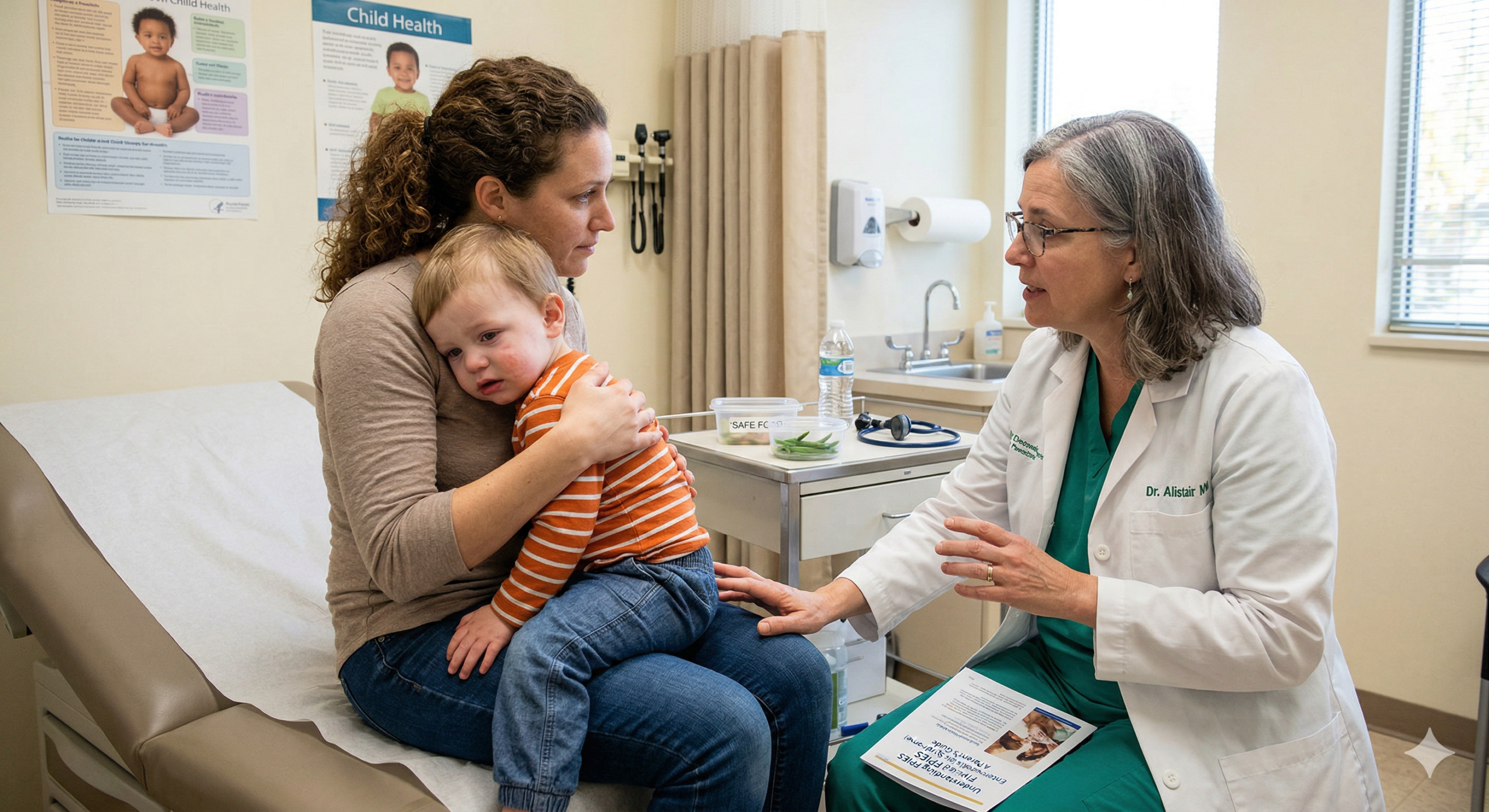
When we visited the doctor the next day and related his condition to her, we got to know about this condition called Food Protein-Induced Enterocolitis Syndrome (FPIES).
What is FPIES?
It is a type of food allergy affecting the gut and mainly affects infants and young children. It causes inflammation in the intestines and is triggered by certain foods.
Key Symptoms
Key symptoms include:
- Severe vomitting (usually 2-4 hours after eating)
- Sometimes diarrhoea
- Baby may become
- Pale
- Floppy/lethargic
- Cold or low body temperature
- Severe cases can lead to dehydration
How it’s different from typical allergies
It is not Immunoglobulin E (Ige) related (ie. it is different from common allergies) and it has a delayed reaction unlike your common allergies and only affects the digestive system. Which means there should not be hives, swelling, or skin reactions. It is not linked to anaphylaxis and EpiPens are not used.
Anaphylaxis: Is a rapid, life-threatening allergic reaction. Typical symptoms include: swelling (face, lips, throat), hives/skin rash, difficulty breathing, sudden drop in blood pressure. All these happens within minutes after exposure.
EpiPens: Are used to treat anaphylaxis and not FPIES. EpiPen works by opening airways and raising blood pressure but FPIES does not affect airways as it is a gut reaction.
Common Trigger Foods
Common foods include rice, cow’s milk (dairy), soy but can also include: oats, eggs, legumes, chicken, seafood. Almost any food can be a trigger. Also, FPIES rarely occurs in exclusively breastfed infants.
How is FPIES diagnosed?
As we understand, there are no laboratory or skin tests which can confirm a diagnosis of FPIES. This makes diagnosis difficult.
- During an FPIES reaction, some children may have an elevated white cell and platelet count, and may be mistaken for having an infection.
- Skin tests or blood tests for allergen specific IgE to the food protein/s are not helpful.
- Medically supervised oral food challenges can be useful when the history is not clear, or when other foods from similar food groups are being introduced into the diet for the first time.
- Medically supervised oral food challenges can be useful to establish when a child has outgrown FPIES.
How to treat FPIES?
Avoidance of the trigger food protein/s is currently the only effective treatment option. However, most children will outgrow their FPIES in the preschool years. Specifically, for us, as our child wasn’t allergic to peanut butter in small doses but when consumed in larger quantity, it led to him vomiting. Therefore, it was not conclusive whether he indeed had FPIES. We were keen to continue exposing him to peanut butter but will also take greater precaution when exposing him. We were advised to start off with boiled peanuts as a food challenge due to suspected FPIES.
What we learned
- The Second-Time Rule: Sometimes an allergy doesn’t show up the first time. The body often needs a “sensitizing” dose before it reacts the second or third time.
- Vomiting IS a Reaction: Many parents look for hives or swelling, but repetitive vomiting is a serious sign of a systemic allergic reaction (like FPIES or anaphylaxis).
- Trust Your Gut: Looking back, the paleness was the scariest part. If you ever see your baby turn “pale as a sheet” after a new food, seek medical help immediately.
- If you baby is just starting solids, it is best to feed him in the morning in case of any allergic reaction, you have time to observe and potentially bring him tot he doctor





2 Comments