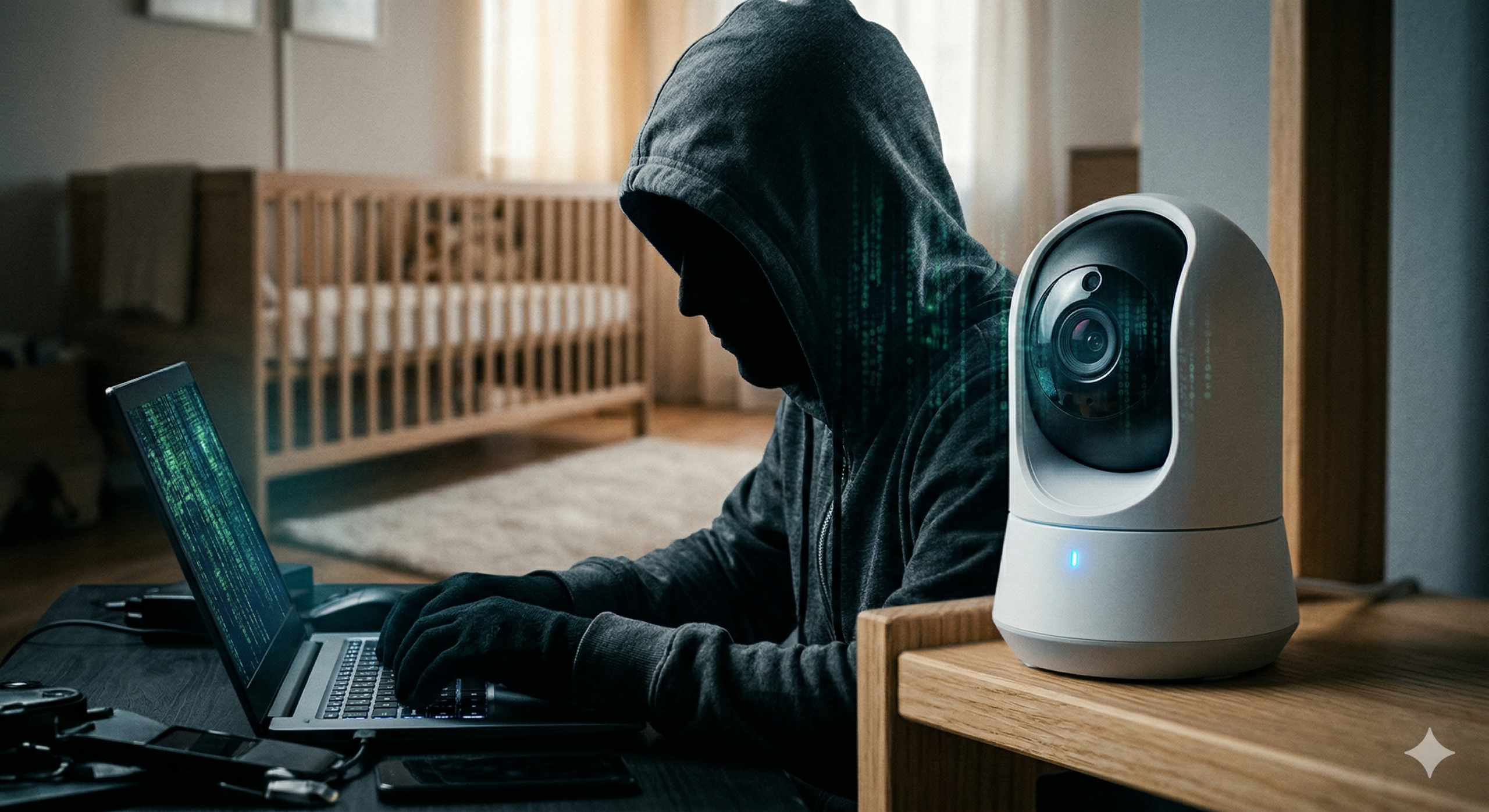
As new parents, we face an overwhelming number of choices, from choosing the safest car seat to finding the perfect swaddle. But when it comes to technology, the focus is often on convenience and features, sometimes overshadowing security. The question on many parents’ minds is an alarming one: “Can baby monitors be hacked?”
The short answer, unfortunately, is yes. Just like any other internet-connected device, modern baby monitors are vulnerable to security breaches. But before you banish technology from the nursery, it’s important to understand the risks and, crucially, how to dramatically improve your monitor’s safety.
In this detailed guide, we’ll demystify baby monitor hacking, explore the vulnerabilities, and provide a clear roadmap to secure your little one’s space.
Why Hacking Happens
This is often the most unsettling part for parents—trying to understand the “why” behind such a creepy intrusion. While it feels deeply personal, the reality is that most hackers aren’t specifically targeting you; they are often looking for the path of least resistance.
Here is a breakdown of why hackers target these devices, ranging from “digital boredom” to serious criminal intent.
1. Using Your Device as a “Zombie” (Botnets)
Surprisingly, many hackers don’t actually care about the video feed. They want the processing power of the camera itself.
The Result: Thousands of these “zombie” devices are then used together to launch DDoS (Distributed Denial of Service) attacks to crash major websites or corporate servers. Your monitor stays on, but it’s working for them in the background.
The Goal: They install malware to turn your monitor into a “bot”—a tiny soldier in a massive robot army.
2. Gaining a Foothold in Your Network
Think of your baby monitor as a side door to your house.
The Result: They use that connection to try and access more sensitive targets on the same network, such as your laptop, phone, or smart home hub, where you might have bank details, passwords, or tax documents stored.
The Goal: Once a hacker “breaks into” a low-security device like a camera, they can move “laterally” through your Wi-Fi network.
3. Voyeurism and Privacy Invasion
This is the “creep factor” that parents fear most.
The Result: They may watch silently, or in darker corners of the web, links to “live” unsecured feeds are sometimes shared or even sold on underground forums.
The Goal: Some hackers are simply “creepsauces” (voyeurs) who look for unsecured camera feeds across the internet. Imagine some creep who is watching your intimate moments like when you are breastfeeding.
4. Burglary and Identity Theft
A baby monitor provides a wealth of information about your daily life.
- The Goal: Information gathering.
- The Result: By listening and watching, a hacker can learn your daily schedule (when the house is empty), hear private conversations containing personal details, or even zoom in on mail or documents left on a changing table to steal identities.
Signs of a compromised monitor
Knowing the warning signs is essential for early detection. If you observe any of the following, your monitor may have been compromised:
Unexpected Movement: If you see the camera pan, tilt, or zoom without you directing it, it could be under remote control.
Strange Noises or Voices: This is the most frightening sign. If you hear voices, static that sounds like intentional noise, or music coming from the monitor’s speaker that you didn’t initiate.
Setting Changes: Your password might no longer work, or you notice that the indicator lights on the camera behave differently than usual.
Your Security Checklist: How to Protect Your Nursery
The good news is that you have the power to make your baby monitor significantly more secure. Follow this checklist to build a robust defense around your child’s privacy:
Immediate Actions:
- Change the Default Password (NOW!): This is non-negotiable. Log into the settings of both the camera unit and the associated smartphone app and change the password immediately. Create a long, complex password with a mix of uppercase and lowercase letters, numbers, and symbols.
- Update the Firmware: Check the manufacturer’s app or website for any available software or firmware updates for your specific monitor model. Manufacturers release these updates to patch security vulnerabilities. Enable automatic updates if possible.
Recommended Enhancements:
- Enable Two-Factor Authentication (2FA): If your monitor’s app supports 2FA, turn it on immediately. This requires you to enter a one-time code sent to your phone or email, in addition to your password, preventing someone from logging in even if they know your password.
- Secure Your Router: The front line of your defense is your home Wi-Fi. Ensure your router uses WPA2 or WPA3 encryption and has a strong, unique password. If your router is old and doesn’t support modern encryption, consider upgrading it.
Advanced Privacy Controls:
- Disable Remote Viewing (If Not Needed): If you only use the monitor while you are inside the house, check if your device or app allows you to disable remote access. This might be called “DDNS” or “Remote viewing” settings. By turning this off, the video feed stays strictly within your home network.
- Consider a Non-Wi-Fi Option: If security is your paramount concern, you might consider opting for a digital monitor that uses DECT or FHSS (Frequency Hopping Spread Spectrum) technology. These monitors do not connect to the internet, making remote hacking virtually impossible.
Conclusion: Stay Alert, Stay Secure
While the thought of someone hacking your baby monitor is terrifying, awareness and proactive security measures are your best defense. Technology offers incredible conveniences, but it demands our vigilance. By treating your baby monitor with the same security mindset as your online banking or your computer, you can continue to enjoy the peace of mind it brings, knowing you’ve done everything possible to keep your little one’s world safe and private.
If you are also interested in which baby monitor to choose for your little one, check out our reviews on the best baby monitors for 2026!





One Comment